The Agent Didn't Break. It Just Lost Confidence.

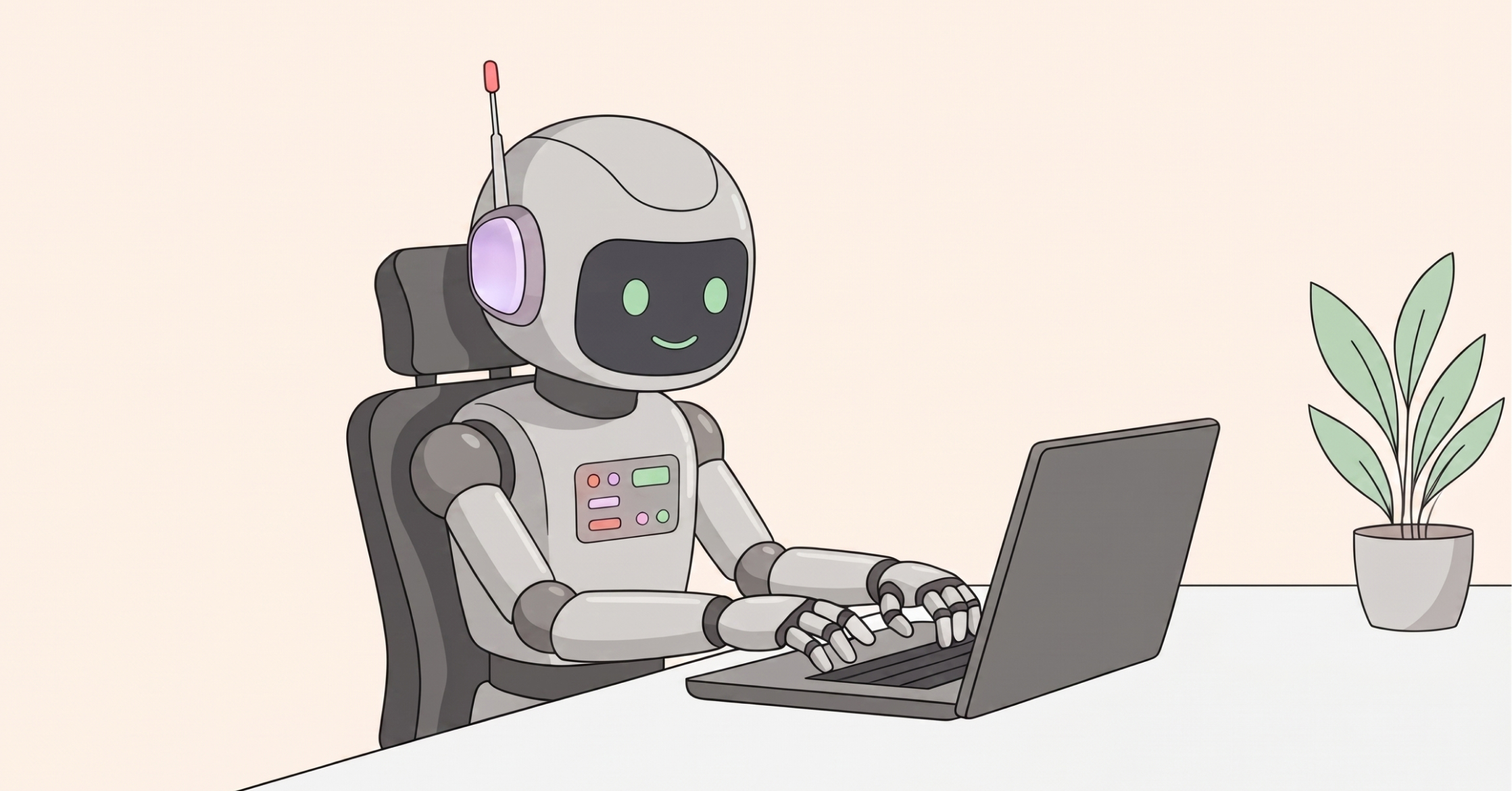
When reviewing, the most revealing discovery was what did not happen. The agent did not trigger any 404 pages. It did not get trapped by a broken function call or a server timeout.

Instead, the agent simply abandoned the session. It experienced cognitive overload and gave up, mirroring the exact behavioural patterns of a real, frustrated user. As I analysed its path, the fundamental elements of the user journey were riddled with friction:

  • Navigation: The primary mega-menu, while structurally sound in the code, was visually overwhelming, making it difficult for the agent to isolate the correct product category intuitively.
  • Product Listing Pages (PLPs): The faceted search functionality caused jarring visual shifts on the page every time a filter was applied, making it frustratingly difficult to compare products side-by-side.
  • Product Details Pages (PDPs): Critical decision-making data (specifically inventory availability and precise shipping times) was buried far below the fold, requiring unnecessary scrolling just to build purchasing confidence.
  • Access to Basket & Checkout: The transition from the PDP to the checkout was intercepted by an aggressive cross-sell modal, disrupting the agent's linear path to purchase and introducing unnecessary doubt at the worst possible moment.

Nothing was technically broken. However, the site was silently accumulating friction between development cycles, quietly eroding the conversion rate.

The Flaw in the "Snapshot" Approach

Traditional usability research is a proven, high-value discipline. We recruit users, observe their struggles, and build a roadmap of fixes.

However, a round of human testing is ultimately just a snapshot taken at a single point in time. Once that research concludes, the site continues to evolve. New features are pushed live, product catalogues expand, and third-party integrations change the frontend experience. The validated user flow from six months ago is rarely the same flow your customers are experiencing today.

Between those formal research rounds, UX teams are effectively flying blind, waiting for analytics dashboards to signal that conversion rates have dropped.

Closing the Gap with a Continuous Testing Loop

By integrating agentic testing into our UX practices, we transform usability testing from an occasional snapshot into a continuous, live signal.

This does not replace human research. AI cannot replicate the emotional nuance of a purchase decision or articulate the precise "why" behind a hesitation. Instead, it creates a powerful, integrated loop:

  1. Direction: Human insight and strategy set the initial testing parameters.
  2. Calibration: Genuine behavioural data sharpens the customer profile.
  3. Execution: The AI agent tests the live environment continuously, flagging friction as soon as it appears.
  4. Refinement: These findings direct the next round of human research, ensuring our UX teams are asking the right questions.

The brands that dominate the eCommerce landscape moving forward will be those that combine the empathy of human research with the continuous rigour of AI. They will detect and eliminate friction before it ever has the chance to damage their revenue.

Is Your Platform Silently Leaking Revenue?

Friction points are rarely obvious until they show up in your bottom line. Get in touch today and let’s have a conversation about your website's current user journey. We can help you identify exactly where your traffic is faltering, pinpoint where your conversions are leaking, and build a strategy to seamlessly close the gap.