What Is Changing?

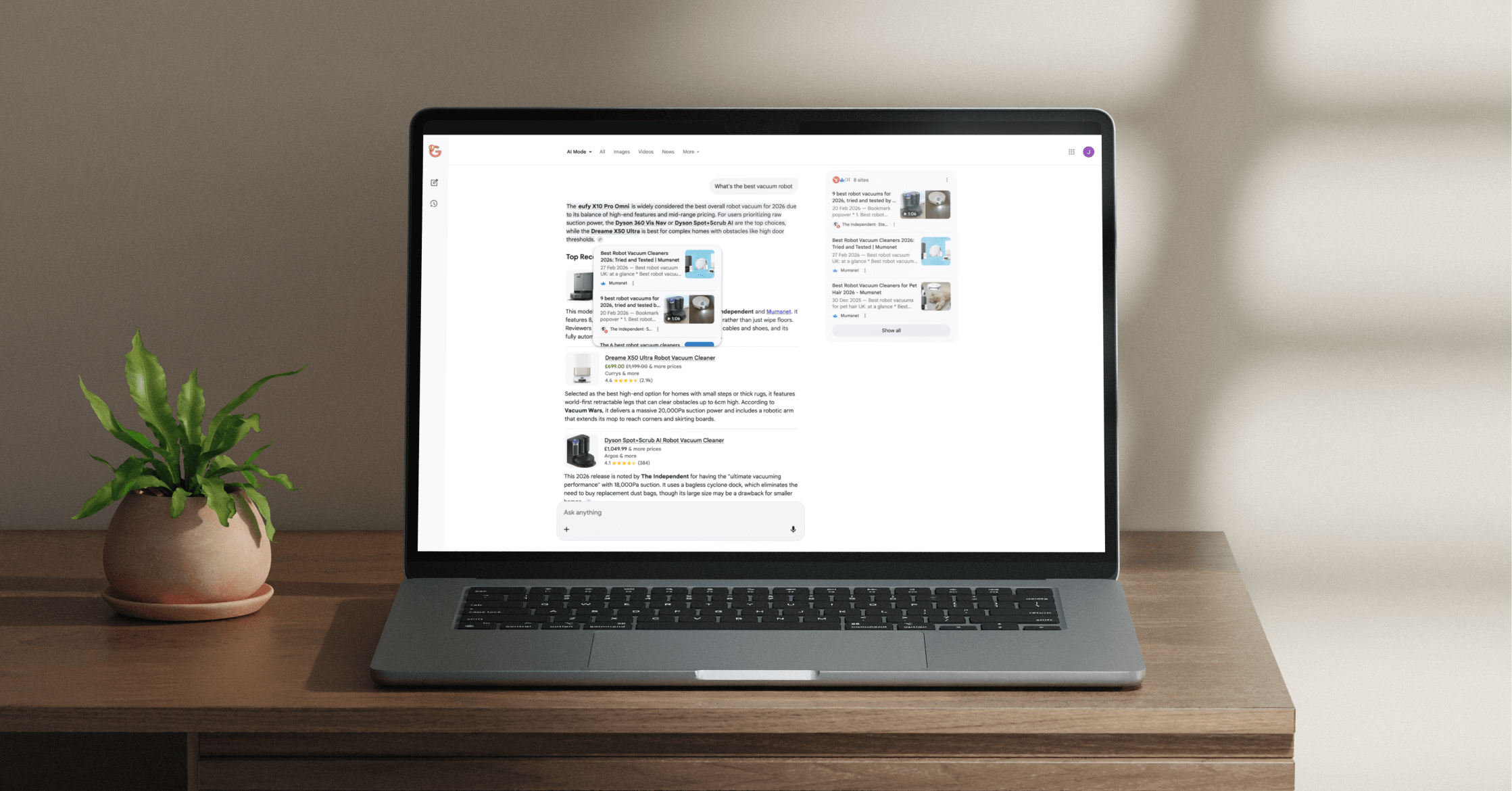
Previously, links within AI Overviews appeared as standard inline references inside the AI-generated summary. With this update, Google now groups related links into dynamic hover-activated cards on desktop. When a user moves their cursor over a referenced source, a contextual card appears showing the site name, favicon and a short description of the linked content.

This allows users to assess the relevance and credibility of a source before deciding whether to visit the website. It represents a shift towards greater transparency in how Google presents supporting sources within AI-generated answers.

On mobile devices, where hover functionality is not possible, Google has updated link icons to make them more prominent and descriptive. While the interaction differs from desktop, the objective remains the same, improving visibility and encouraging engagement with source content.


Why This Matters

AI Overviews have fundamentally changed how users interact with search results. By presenting summarised answers directly within the search interface, Google reduces the need for users to click through to external websites. This has raised concerns across the industry about reduced organic traffic and so-called zero-click searches.

The introduction of pop-up link cards appears to be part of Google’s effort to strike a balance between delivering fast AI-generated answers and maintaining a healthy web ecosystem. By making sources more visible and easier to evaluate, Google is signalling that it still wants users to explore content beyond the summary.

Early commentary suggests the new format may increase engagement with cited sources, although its long-term impact on click-through rates remains to be seen.

How It Works in Practice

On desktop, users can hover over a linked reference within an AI Overview or AI Mode response. A small card appears featuring the website’s branding and a short content preview. This allows users to make a more informed decision about whether to click.

On mobile, links are displayed with clearer visual indicators and improved formatting. Although users cannot hover, the enhanced design aims to make source links stand out more clearly within the AI response.

What This Means for SEO and Content Strategy

For marketers and content teams, this update reinforces the importance of strong branding and well-optimised metadata. If Google is displaying site names, favicons and page descriptions more prominently, those elements need to convey authority and relevance instantly.

Structured, clearly written content may also become increasingly valuable, as Google relies on it to generate accurate previews and descriptions. While rankings still matter, presentation within AI-driven search results is becoming just as important.

As AI continues to reshape the search landscape, visibility will depend not only on appearing within AI Overviews but on persuading users to engage with your content once it is cited.