What Does This Mean for Shoppers?

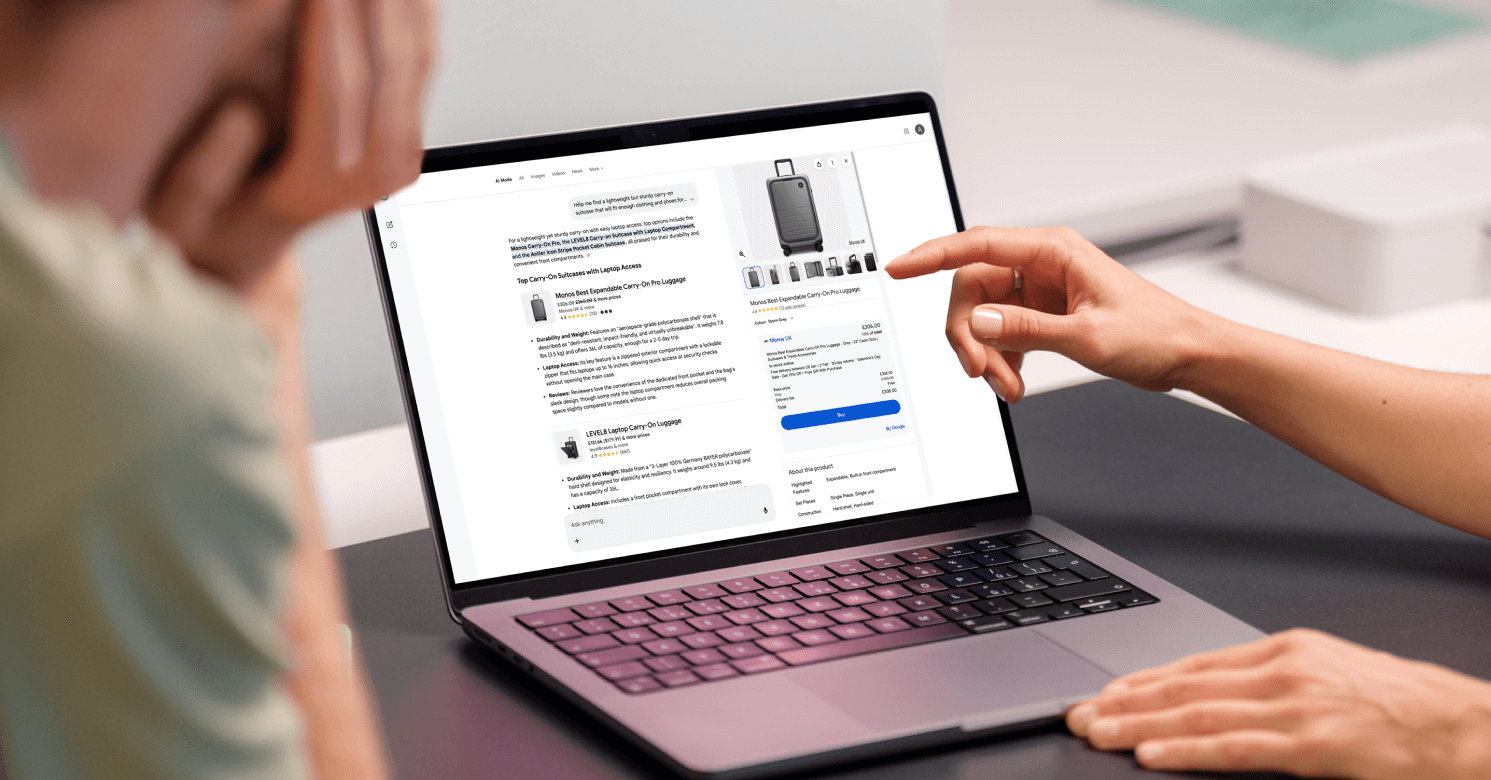
Google’s plan is built on reducing friction through a "full funnel conversational execution." The goal is to allow AI agents to interact directly with retailer platforms, effectively "hiring" the AI to do the shopping.

  • Universal Commerce Protocol (UCP): This is the backbone of the system. Google has launched an open standard, that allows AI agents to "talk" to retailer inventories. It means an AI can check real-time stock, verify delivery windows, and lock in pricing without the user leaving the chat.
  • Direct Offers in AI Mode: A new ad format allows Google’s AI to identify high-intent shoppers and present them with exclusive, time-sensitive discounts (e.g., “20% off if you buy now”) to close the sale immediately.
  • Integrated Checkout: The friction of redirection is gone. Users can check out directly within Gemini or Search’s AI Mode using their saved Google Pay credentials.

The Implications for PPC & Paid Media

For digital marketers, this is not just a new ad slot. It is a fundamental change in how we structure our PPC campaigns and measure success.

1. Merchant Center is the New "Brain"

Your product feed has always been important, but in an agentic world, it is everything. If an AI agent cannot easily "read" your product attributes, such as availability, shipping speed, return policy, and specific details like "wide fit", you will not just rank lower. You effectively will not exist in the conversation.

How to Adapt: Audit your structured data immediately. "Creative" in this era implies having the most robust, error-free data feed in your vertical.

2. The Shift from Traffic to "Verified Outcomes"

We are moving away from the metric of Site Traffic. If a transaction happens within Google’s AI interface, your website sessions might drop, but your conversion rate could skyrocket.

The Creative Shift: Measurement strategies must evolve to rely more on full-funnel tracking and platform-side data rather than purely session-based analytics on your site.

3. Conversational Strategy

With features like Business Agent, brands can now deploy their own AI personas on Search to answer questions.

To Maintain Control: Your brand voice needs to be codified. The "ad copy" of the future is the script and data you feed your AI agent to handle customer objections live.


The Implications for SEO

For our SEO team, this is not just an algorithm update. It is a fundamental change in how we structure site architecture and define visibility.

1. Structured Data is the New "Content"

On-page text remains vital for humans, but in an agentic world, your behind-the-scenes code is everything. If an AI agent cannot instantly parse structured data attributes like delivery windows or inventory, you effectively will not exist in the conversation.

The Technical Mandate: Audit your schema immediately. Your site must speak the "Universal Commerce Protocol" language to verify stock without a click.

2. The Shift from Clicks to "Inclusion"

We are moving away from the "search, click, browse" cycle. If the search engine facilitates the entire transaction, your organic traffic numbers may drop while actual sales volume rises.

The Traffic Trade-off: Stop optimising for site visits. Start optimising for the AI agent to select your product as the best answer to a complex query.

3. Logic-Based Optimisation

Generic keyword targeting becomes obsolete when AI acts as a "concierge" looking to satisfy constraints. The algorithm is now seeking specific logistical data, not just matching text strings.

The Content Evolution: Ensure your delivery times, return policies, and live stock levels are accessible to the AI in real-time to close the sale.

Strategic Outlook

While Agentic Commerce is still in its developmental stages, waiting for full maturity before adapting would be a strategic error. This shift represents a fundamental change in consumer behaviour, moving from visual browsing to data-driven, conversational purchasing. Marketers who prioritise optimising their structured data and measurement frameworks today will be the ones best positioned to thrive when the search bar officially becomes the point of sale.