Why traditional campaign management needs to change

‍

For many organisations, campaign production still involves a significant amount of manual coordination. Marketing teams might develop their messaging in one platform, work with designers to produce creative assets, rely on developers to build landing pages and use separate tools to manage advertising and reporting.

‍

While this approach can deliver results, it often creates bottlenecks. A small change to a campaign headline might require several updates across different channels. Launching a new audience-specific landing page could involve additional design and development time. Meanwhile, performance data may be spread across multiple platforms, making it harder to understand which activities are contributing to business growth.

‍

These inefficiencies become particularly noticeable when businesses are running several campaigns simultaneously. The challenge is no longer just producing good marketing content. It is managing the entire process in a way that allows teams to work efficiently, adapt quickly and maintain consistency.

‍

‍

AI is moving beyond content generation

‍

Much of the early conversation around AI in marketing focused on its ability to generate written content, suggest headlines and produce images. Although these capabilities remain valuable, the technology is becoming increasingly relevant to the wider campaign production process. AI can now support activities that traditionally required several different teams and tools to coordinate. For example, marketers can use AI to develop campaign concepts, organise messaging, generate initial website layouts and create variations of existing content. These outputs can then be reviewed and refined by marketing professionals before being published.

‍

This changes the role of AI from a simple content assistant into a tool that can support multiple stages of campaign execution. The distinction is important. Producing an individual piece of content faster is useful, but improving the efficiency of the entire workflow has the potential to deliver much greater value.


Creating better digital experiences without increasing production time

‍

A campaign's success often depends on what happens after someone clicks an advertisement or follows a marketing link. Landing pages need to communicate a clear message, reflect the brand and encourage visitors to take a specific action. However, creating effective landing pages can be resource-intensive, particularly when businesses need different versions for multiple audiences. AI-assisted website creation is helping reduce some of this complexity.

‍

Platforms such as Webflow are exploring ways to bring AI into the visual website-building process, allowing marketing teams to develop page concepts and make changes without relying entirely on traditional development workflows. This is particularly useful for campaign-specific pages, where speed and flexibility can make a significant difference.

‍

Instead of waiting for a complete development cycle, marketers can work more directly with page layouts, messaging and design elements. This makes it easier to experiment with different approaches and respond to campaign requirements. The important consideration is quality. AI-generated pages still need human input to ensure that the content is relevant, the design is accessible and the overall experience supports the intended conversion.

Personalisation is becoming easier to manage

‍

Modern audiences expect marketing communications to reflect their interests and requirements. A potential customer researching a new software solution, for example, may have very different priorities depending on their role, industry or business size. Generic messaging can struggle to address these differences.

‍

Historically, developing personalised campaign experiences required additional creative and technical resources. Every new audience segment could mean another landing page, another round of content production and more work for the marketing team. AI is helping make this process more manageable. By supporting the creation of alternative messaging, page content and creative variations, AI-powered workflows can reduce the effort involved in developing audience-specific experiences. Businesses can use this approach to create more relevant campaign journeys while maintaining a consistent visual identity and overall brand message.

‍

However, effective personalisation requires more than simply changing a headline. It needs to be based on a genuine understanding of customer needs, behaviours and motivations. The technology can help deliver the experience, but the strategy still needs to come first.

Connecting advertising activity with the wider customer journey

‍

One of the most common problems in digital marketing is the disconnect between advertising and the destination experience.

‍

An advertisement might promise a particular benefit, but the landing page that follows may communicate something different. Even small inconsistencies can create uncertainty and affect a visitor's willingness to convert. A more connected production process can help address this issue. When advertising assets and landing page content are developed around the same campaign objectives, businesses have a better opportunity to maintain consistent messaging throughout the customer journey.

‍

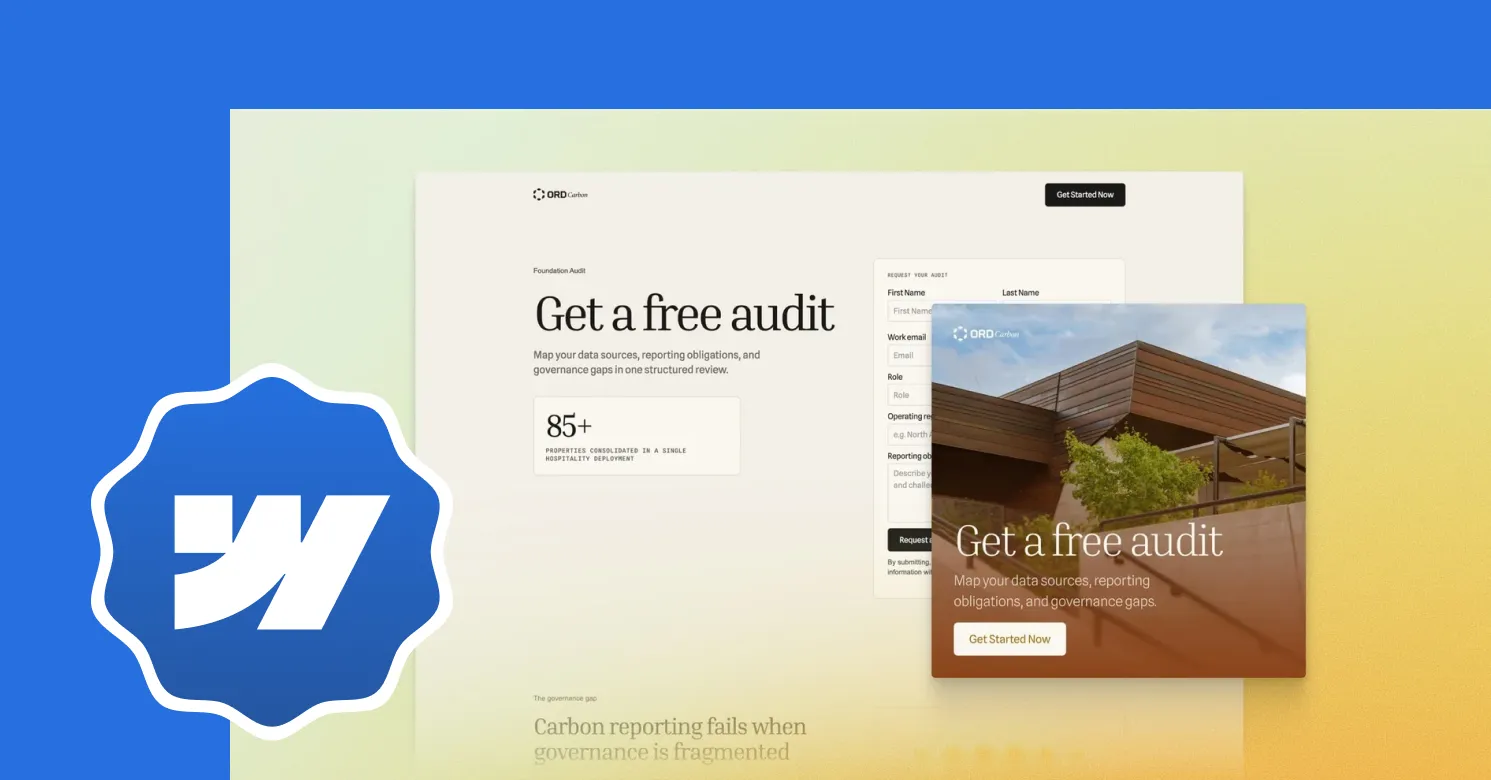
This is one area where integrated campaign platforms are becoming increasingly relevant. Webflow Campaigns, for example, brings together elements of campaign planning, landing page creation, advertising creative and publishing. The aim is to reduce the number of separate processes involved in taking a campaign from an initial concept to market. For marketing teams, this can mean less time coordinating individual production tasks and more time considering how each part of the customer experience works together.

Understanding performance beyond basic marketing metrics

‍

Launching a campaign is only one part of the process. Understanding whether it has delivered meaningful results is equally important. Traditional reporting often focuses on metrics such as impressions, clicks and website visits. While these figures help indicate campaign engagement, they do not necessarily demonstrate commercial value.

‍

Businesses need to understand what happens after someone interacts with their marketing. Are visitors completing forms? Are those enquiries becoming qualified leads? Are campaigns contributing to sales opportunities and revenue? Answering these questions requires a closer relationship between marketing analytics and customer data.

‍

Integrations between campaign platforms, analytics tools and CRM systems can help organisations build a more complete picture of performance. For example, connecting marketing activity with platforms such as HubSpot or Salesforce can provide greater visibility into how campaign-generated leads progress through the sales process. This allows teams to make decisions based on more than traffic and engagement alone. It also creates opportunities for continuous improvement. Rather than treating each campaign as a standalone activity, marketers can use performance insights to identify what works, refine their messaging and improve future campaigns.

What this means for marketing teams

‍

The growing use of AI in campaign management has implications beyond simply making production faster. It is changing how marketing departments organise their work and where they spend their time.

‍

Some of the most significant opportunities include:

  • ‍More efficient production: Reducing repetitive work can help teams deliver campaigns without increasing their reliance on additional resources.‍
  • Greater creative flexibility: Marketers can explore different messaging, layouts and audience approaches without starting every asset from scratch.‍
  • Improved collaboration: Bringing more campaign activities into connected workflows can reduce unnecessary handovers between marketing, design and development.‍
  • More relevant customer experiences: Audience-specific content and landing pages can help businesses communicate more effectively with different customer groups.‍
  • Better-informed decisions: Connecting campaign activity with meaningful conversion and CRM data gives marketers a stronger foundation for optimisation.

‍

These benefits are particularly relevant for businesses looking to scale their marketing activity while maintaining control over quality and brand consistency.