TL:DR
Foreword


Foreword
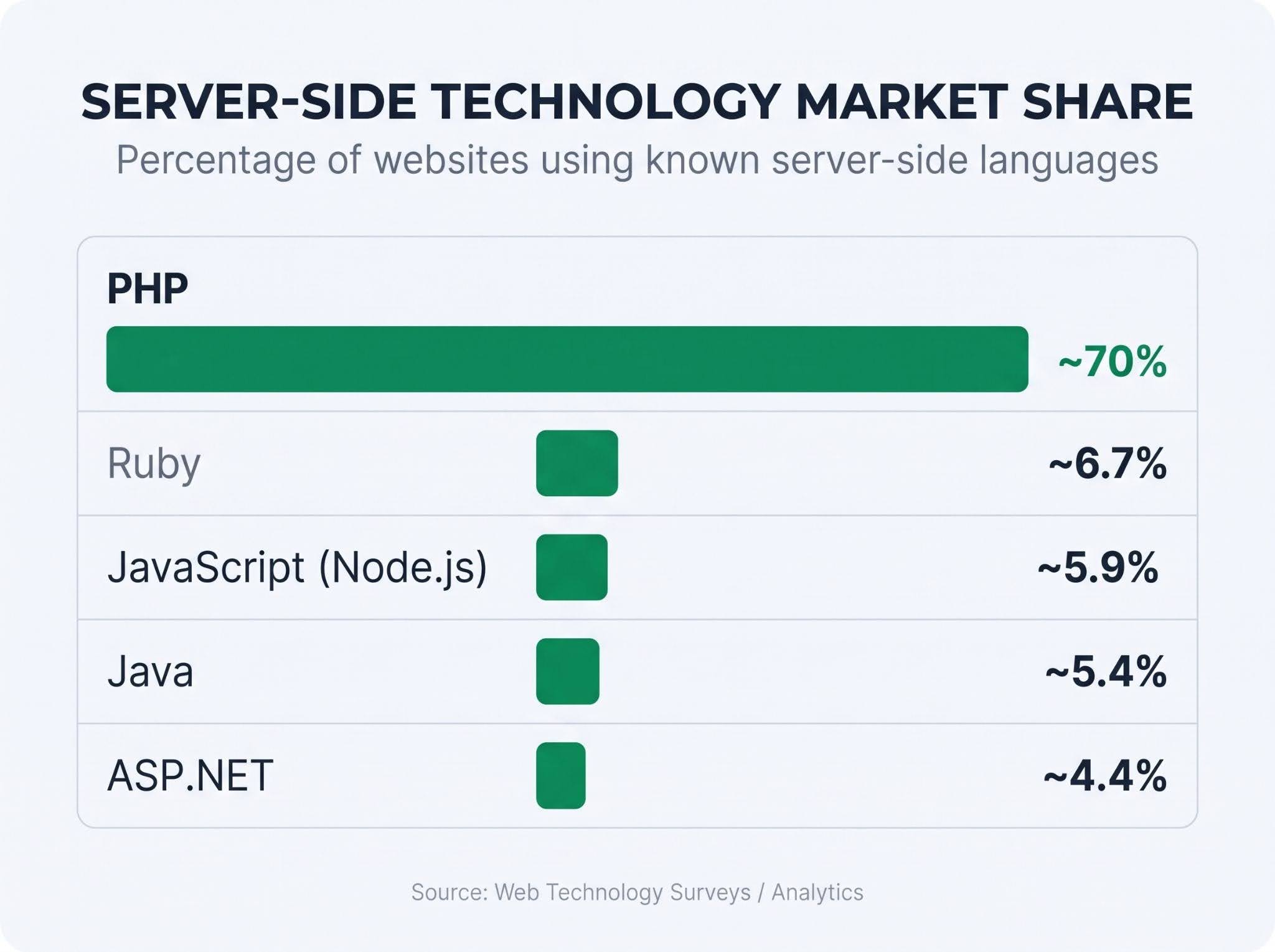
If you follow tech news, you might occasionally hear claims that modern web development has left PHP behind. However, global web metrics paint a very different picture: PHP currently powers approximately 70% of all websites with a known server-side language.
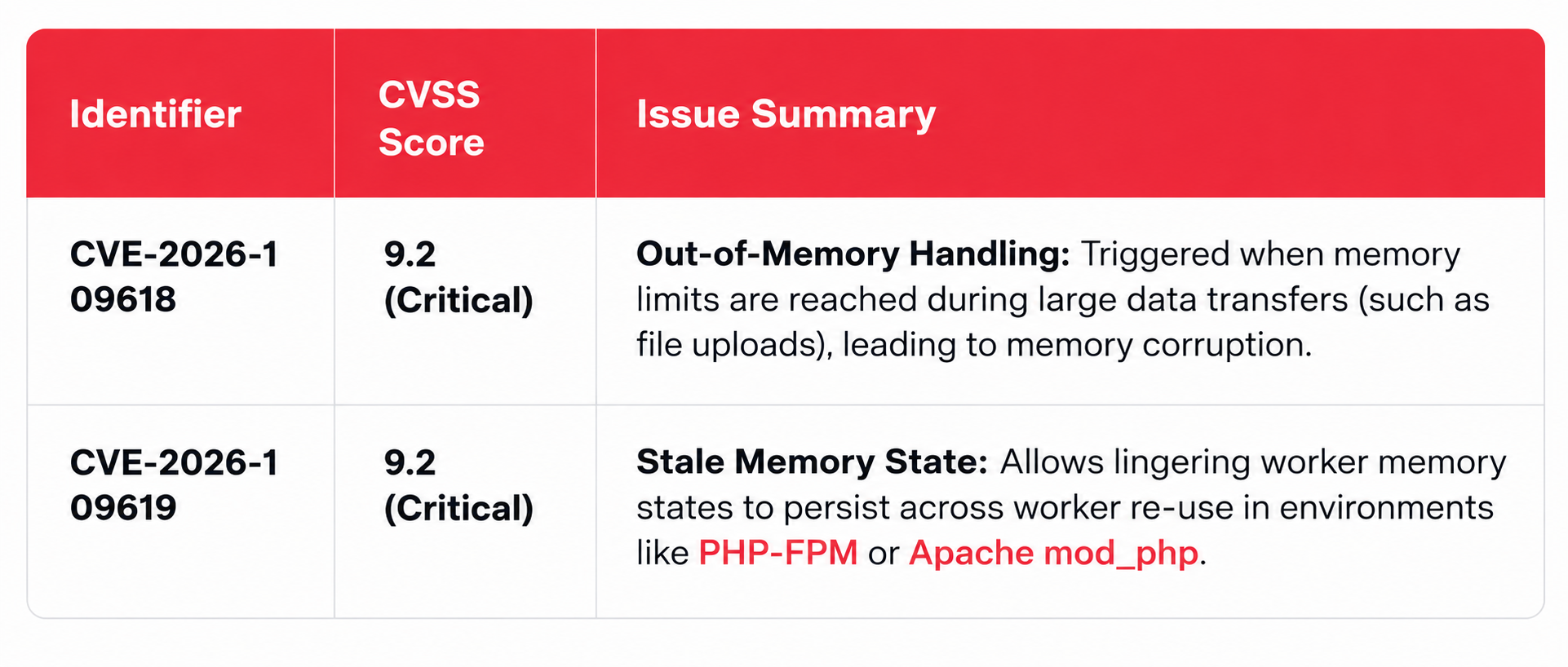
Because PHP underpins the modern web, PHP security vulnerabilities affecting its core engine can put millions of digital storefronts worldwide at risk. On 21 October 2026, security researchers and the PHP core team released emergency patches for two critical zero-day vulnerabilities, collectively dubbed PHP2Shell (CVE-2026-109618 and CVE-2026-109619).
Here is a breakdown of why PHP remains the dominant engine of the web, what happened during the security event, and how we ensure your e-commerce platform stays secure and operational.
PHP's impressive 70% market share among websites with a known server-side programming language is no coincidence. It's driven by its widespread use in the world's most popular content management systems and e-commerce platforms.
The scale of PHP in e-commerce is driven by three main pillars:
Because PHP forms the operational backbone for so much of the global digital economy, core maintenance and PHP security updates are vital to maintaining web infrastructure.
On 21 October, security researchers identified two critical PHP vulnerabilities involving remote code execution (RCE) risks within PHP's core memory management layer.
Unlike standard application bugs, PHP2Shell affects the underlying PHP runtime itself. An attacker could trigger memory corruption using specially crafted HTTP requests before an e-commerce application's authentication or security logic even runs.
These PHP security vulnerabilities raised concerns about remote code execution, where attackers may be able to execute malicious code on vulnerable servers.
Because of the potential risk, several cloud vendors and hosting providers took proactive monitoring measures while emergency patches were compiled and verified.
The PHP core development team acted quickly to publish emergency PHP security updates and patches across supported branches:
Any websites running PHP 8.1 and below were unavailable for the update, however many hosting providers “backported” the fixes to ensure older websites remain secure.
Keeping your PHP version updated is an important part of website security. Applying the latest PHP updates helps address known vulnerabilities and reduces the risk of attackers exploiting outdated software.
What made PHP2Shell incident unprecedented was the role of AI on both sides of the flaw. Security teams used models from OpenAI and Google to uncover deep, decade-old memory corruption bugs in PHP's core engine that human developers had missed for years.
However, AI tools can also help attackers analyse security patches and develop exploits more quickly. This makes prompt PHP security updates and vulnerability management increasingly important for online stores.
PHP’s (~70%) footprint makes it an efficient, highly supported, and reliable foundation for online stores. However, maintaining high-traffic platforms requires active infrastructure management.
Regular PHP updates, monitoring for security vulnerabilities and keeping your website's software supported are all important steps in protecting an e-commerce platform with performance marketing and active management.
By keeping server runtimes updated, maintaining active firewall rules, and applying patch releases promptly, your store remains safe, fast, and resilient against unexpected industry vulnerabilities.
If you have specific questions about your server environment, PHP version, PHP security updates or security configuration, please reach out to our team.



This is the default rich text value